Understanding Balcony Garden Irrigation
Growing a balcony garden can be immensely rewarding, providing fresh herbs, vibrant flowers, and even delicious vegetables right at your doorstep. However, many aspiring gardeners struggle with irrigation techniques that differ significantly from traditional ground gardens. A well-implemented balcony garden irrigation strategy is crucial to thrive in this unique growing environment. This article will guide you through the best practices for watering your potted plants on a balcony, ensuring they remain healthy, lush, and productive throughout the growing season.
Differences Between Balcony and Ground Garden Watering
Watering a balcony garden differs from ground gardening due to the limited soil volume, reduced evaporation rate, and often various sun exposure levels. Unlike soil in a traditional garden, which can hold moisture and allow roots to spread widely, pots constrain plant roots and soil moisture. Potted plants rely entirely on you for their water supply, meaning regular attention is essential to keep them thriving. Additionally, the pot material—often plastic or terracotta—can affect how quickly the soil dries out. Urban gardeners need to understand these unique characteristics to ensure proper irrigation.
The Importance of Proper Watering Techniques
Implementing proper watering techniques not only keeps plants alive but also ensures robust growth and prevents diseases caused by improper moisture levels. For instance, watering too frequently can lead to root rot, while too little water can cause stress and wilting. Understanding your plants’ specific needs based on their variety and changing weather conditions is essential. Some species prefer consistently damp soil, while others thrive with slight drying between watering sessions.
Choosing the Right Plants for Your Balcony
When selecting plants for your balcony garden, consider their watering needs, growth size, and exposure to light. Fruiting plants like tomatoes and peppers typically require more water than herbs like basil or thyme. Moreover, taller plants may thrive in areas with more sunlight, while shade-loving plants should be placed in less exposed spots. By carefully choosing the right plants, you can maximize your balcony’s gardening potential without overwhelming yourself with watering challenges.
Effective Watering Strategies for Balcony Gardens
How Much Water Do Potted Plants Need?
The amount of water needed for potted plants can vary greatly, depending on the plant species, pot size, and environmental conditions. Generally, most pots should be watered deeply but less frequently. For example, tomato plants often require daily watering during peak summer, while leafy greens may need soaking every other day. Monitoring the soil moisture before watering—by feeling the soil a couple of inches down—can help prevent over- or under-watering.
Best Times to Water Your Balcony Garden
Timing is crucial when watering balcony gardens. Early morning or evening sessions are ideal since temperatures are cooler, reducing evaporation rates. Avoid watering during the hottest parts of the day, as this can lead to rapid moisture loss and plant stress. Using a schedule that aligns with the natural patterns of sun and shade can bolster your plants’ health and resilience.
Manual vs. Automatic Watering Solutions
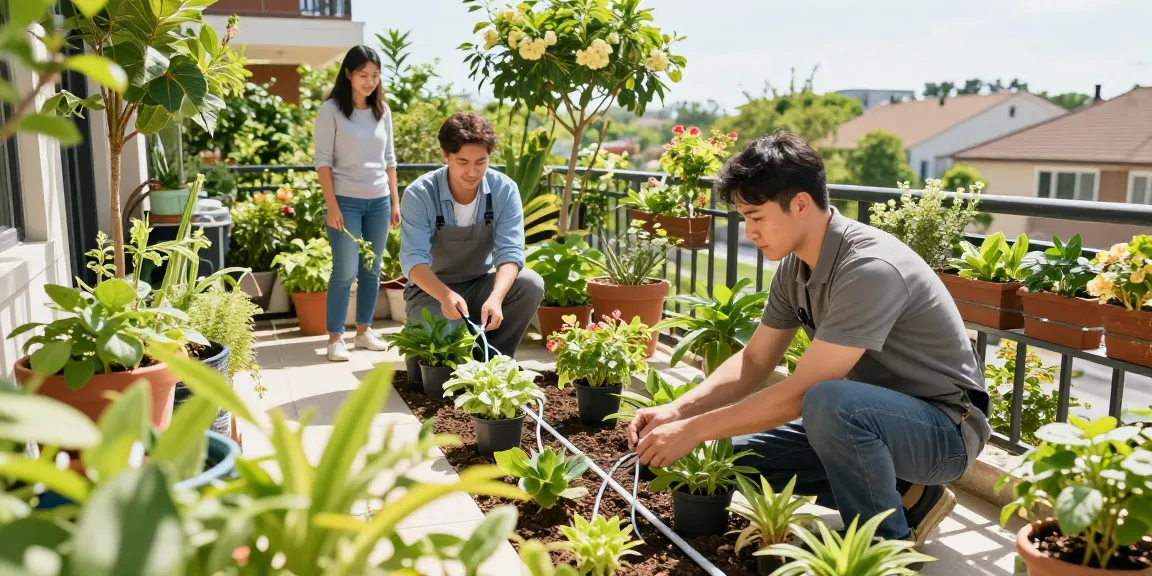
Manual watering may be sufficient for small balconies with a few pots, but as your garden grows, more efficient solutions can save time and provide consistent moisture. Drip irrigation systems are popular choices, delivering water directly to the roots while minimizing waste. For busy gardeners, automatic watering timers can regulate the frequency and amount of water dispensed even when you’re away on vacation.
Common Mistakes in Balcony Garden Irrigation
Identifying Overwatering vs. Underwatering
Understanding the symptoms of over- and underwatering is vital in maintaining a healthy balcony garden. Overwatered plants may exhibit yellowing leaves, wilting, or a foul smell from the soil, indicating root rot. Conversely, underwatered plants often droop with dry, crispy leaves. Always check the soil moisture before watering, as this can often clarify the plant’s needs.
Best Practices to Avoid Water Stagnation
Water stagnation can be counterproductive to plant health, leading to mold and root issues. Use pots with drainage holes to facilitate excess water escape, and avoid letting plants sit in standing water. Consider using lightweight potting soil designed for potted plants, which usually contain materials to enhance drainage and aeration.
Signs of Plant Stress Due to Improper Watering
Noticing early signs of plant stress can save your balcony garden. Observe your plants routinely for wilting, browning leaf edges, or stunted growth—these can indicate improper watering practices. With close observation, you can quickly adjust your watering routine to align with your plants’ needs.
Choosing the Right Balcony Irrigation System
Exploring Drip Irrigation Solutions
Drip irrigation systems are highly efficient, delivering water directly where it’s needed most. Ideal for larger balcony gardens, these systems use tubes and emitters to distribute moisture slowly and evenly. They can be adjusted to cater to the specific needs of each plant type, ensuring optimal growth conditions while conserving water.
Benefits of Automatic Timers for Irrigation
Automatic timers take the guesswork out of watering. These devices can be preset to water plants at regular intervals, making them an excellent choice for those who spend time away from home. Timers can typically control the duration and frequency of watering sessions, which is particularly advantageous during hot summer months.
DIY Solutions for Watering Your Plants
If automatic timers or drip systems aren’t in your budget, there are simple DIY solutions that can help keep your plants hydrated. Techniques like the inverted bottle method or using terracotta watering stakes can provide sustained moisture to your pots without continual manual effort. Combining clever DIY irrigation with consistent monitoring can create a thriving balcony garden.
Maximizing Your Balcony Garden’s Potential
Long-term Maintenance Tips for Balcony Gardens
Long-term health for your balcony garden hinges on regular maintenance. This involves not just watering but also inspecting for pests, checking for diseases, and ensuring proper nutrition through fertilizers. Consider setting a routine that includes a weekly check-up on all your plants, adjusting your care based on seasonal changes and plant growth stages.
How to Keep Your Plants Healthy During Vacation
During vacations, it’s crucial to have a plan for your plants. Automatic timers or asking a trusted neighbor for help are active ways to ensure continued care. For smaller pots, using water globes or self-watering systems could mitigate the risk of plant stress while you’re away.
Engaging Your Community in Urban Gardening
Engaging with fellow urban gardeners can be a wonderful way to learn techniques and share resources. Consider joining local gardening groups or communities on social media, where you can exchange tips about irrigation systems and best plants suited for balcony gardens. Collaborating with others fosters an enriching environment for all participants and strengthens community ties.
Conclusion
Watering a balcony garden presents a unique set of challenges and opportunities. By understanding the specific watering needs of your plants, timing your watering sessions appropriately, and leveraging the right irrigation systems, you can cultivate a flourishing urban garden that thrives throughout the growing season. As you embark on your balcony gardening journey, remember to remain observant and adaptable to ensure the best care for your plants. Happy gardening!