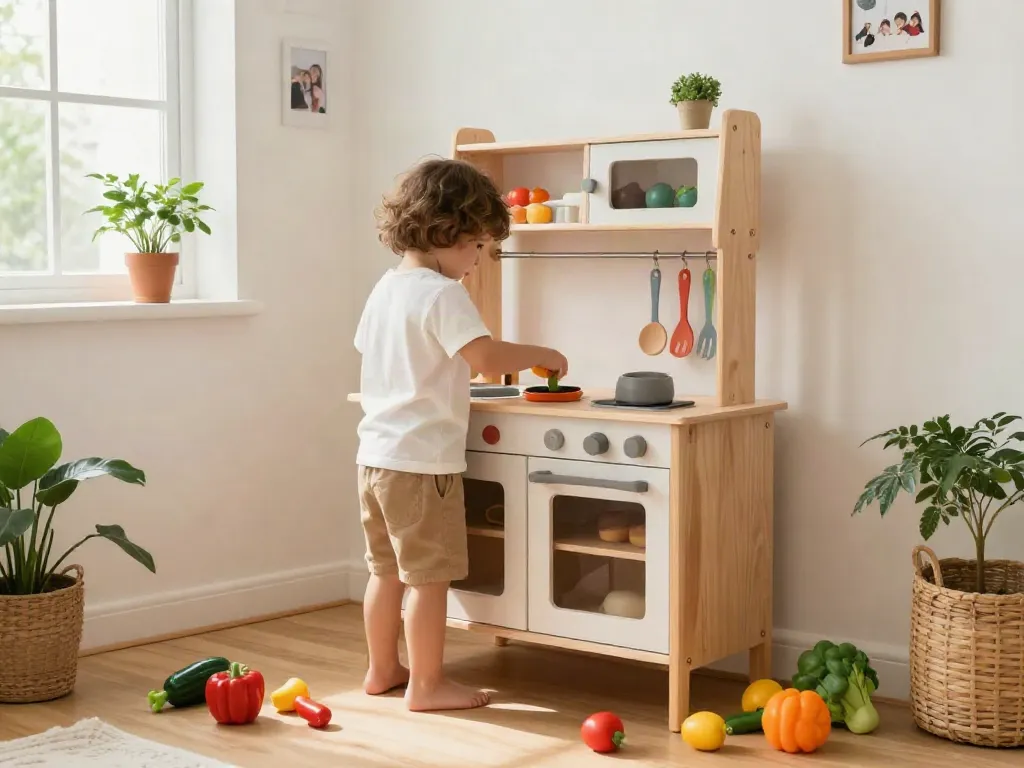
Understanding the Benefits of Wooden Kitchens
Wooden kitchens are more than just toys; they are gateways to imaginative play and learning for children. As kids engage in pretend cooking, they develop essential life skills and foster their creativity. The tactile experience of wooden kitchen sets provides a sensory-rich environment that plastic alternatives often lack. When exploring options, wooden kitchen selections offer a range of styles and features tailored to inspire young chefs.
Why Choose a Wooden Kitchen for Your Child?
Choosing a wooden kitchen can have a profound impact on your child's playtime experience. Unlike plastic, which is often seen as disposable, wooden kitchens evoke a sense of warmth and durability. They not only stand the test of time but also support sustainable practices. Moreover, wooden toys help foster fine motor skills, coordination, and cognitive development through interactive play.
Durability and Eco-Friendliness of Wooden Playsets
One of the most compelling reasons to opt for wooden kitchens is their durability. Built to endure the rigours of play, these sets are often crafted from high-quality hardwoods like maple or beech, ensuring they can withstand years of imaginative culinary adventures. Additionally, wooden playsets are typically free from harmful chemicals present in some plastics, making them a safer choice for children. Choosing eco-friendly materials helps instil in children the importance of caring for the planet from a young age.
How a Wooden Kitchen Enhances Imagination
Wooden kitchens serve as a blank canvas for creativity. Their neutral colour palette allows children to add their personal touch through accessories, decorations, and pretend cooking scenarios. Whether they're whipping up a feast for their toys or hosting a make-believe dinner party for friends, every play session opens a new avenue for storytelling and role-playing. This imaginative engagement not only entertains but also builds critical thinking and problem-solving skills as children navigate their culinary creations.
Top Features to Look for in a Wooden Kitchen Set
Design Elements That Spark Creativity
When choosing a wooden kitchen set, look for design elements that encourage imaginative play. Features such as vibrant colours, realistic appliances, and functional accessories can significantly enhance a child's experience. Sets that include pots, pans, and utensils made from wood or metal offer a more authentic feel compared to plastic counterparts. Additionally, modular designs allow for different configurations, enabling children to change the layout of their kitchens as their play evolves.
Safety Features in Wooden Kitchen Toys
Safety is paramount when selecting a wooden kitchen. Ensure that all edges are rounded and surfaces are smooth to prevent injuries. Non-toxic paint and finishes are also essential to creating a safe play environment. Look for certifications or endorsements from safety organisations to guarantee that the set meets recognised safety standards. A well-designed wooden kitchen will balance imaginative play with a commitment to safety.
Size and Configuration Considerations
The size of the kitchen set should align with both the space available and the age of the child. Smaller kitchens are suitable for toddlers, while larger, multi-functional sets may be more appropriate for older children. Configurations that include storage options for utensils and food can help teach organisation skills, while a compact design ensures that it fits comfortably within your home without overwhelming available space.
Comparing Brands: Which Wooden Kitchen Reigns Supreme?
Market Leaders in Wooden Kitchen Toys
Various brands dominate the wooden kitchen market, each offering unique features and benefits. Popular names include Melissa & Doug, KidKraft, and Le Toy Van, known for their quality craftsmanship and attention to detail. It's important to compare these brands to find the kitchen that best meets your child's needs and your budget.
Unique Features of Each Brand
Melissa & Doug are renowned for their large, interactive playsets that often include sound effects and interactive elements, perfect for engaged play. KidKraft offers beautifully designed kitchens with a focus on aesthetics and durability, while Le Toy Van prides itself on eco-friendly materials and unique, often whimsical designs. Understanding these differences can help parents make informed choices regarding the best kitchen for their child.
Customer Reviews and Insights
Customer reviews are an invaluable resource when selecting a wooden kitchen. They can provide insights into the durability, ease of assembly, and overall satisfaction experienced by other buyers. Look for feedback regarding the quality of materials, how well the kitchen holds up to active play, and any specific features that parents and children particularly enjoy. This firsthand information can guide your decision-making process effectively.
Creating the Perfect Play Space with a Wooden Kitchen
Integrating the Wooden Kitchen into Your Home
Proper integration of a wooden kitchen into your home can elevate your child's play experience. Consider placing the kitchen in a dedicated playroom or a corner of the living room where it can be easily accessed. If space is limited, you can even repurpose a small area of the kitchen to encourage shared play. Make the kitchen a focal point by surrounding it with relevant props such as play food, tables, and chairs, creating a mini culinary world.
Accessorising a Wooden Kitchen for Enhanced Fun
Accessorising your child's wooden kitchen can significantly enhance their imaginative play. Consider investing in a variety of accessories, such as pots and pans, play food items, and utensils. These additions can transform a simple kitchen set into a bustling restaurant or bakery, prompting even greater creative storytelling. Don't forget to involve your child in selecting accessories, allowing them to express their unique tastes and preferences.
Setting Up an Engaging Play Area
Setting up an engaging play area can provide an immersive experience focusing on culinary creativity. Incorporate elements like a small table for serving food, cushions for seating, and perhaps a chalkboard for jotting down recipes or menus. Thematic decorations, such as a restaurant sign or chef hats, can further amplify the imaginative environment. A well-thought-out play area encourages extended playtime and enriches your child's overall experience.
Future Trends in Wooden Kitchen Toys by 2026
Innovations in Design and Sustainability
As we look towards 2026, the wooden kitchen market is seeing a shift towards sustainability and innovative designs. Eco-friendly materials are becoming the norm, with manufacturers prioritising responsibly sourced wood and non-toxic finishes. Moreover, innovative designs that incorporate modular and customizable elements are gaining popularity, allowing children to shape their play environments according to their preferences.
The Rise of Custom-made Wooden Kitchens
Custom-made wooden kitchens are a burgeoning trend within the toy industry. Parents are seeking personalised options that reflect their child's interests and preferences. Customisation can include the choice of colour schemes, functionality, and unique accessories tailored to individual tastes. This trend not only enhances the play experience but also allows families to invest in products that carry sentimental value.
Impact of Technology on Traditional Play
With the rise of technology, traditional play is evolving. Companies are beginning to integrate technology into wooden kitchen sets by incorporating sound effects or interactive digital elements. While some may argue this takes away from the simplicity of traditional play, it can also offer a modern twist that attracts tech-savvy children. Balancing technology and traditional play can provide a comprehensive learning experience that appeals to all types of learners.
What Age is a Wooden Kitchen Good For?
Wooden kitchens can be suitable for a wide range of ages. Typically, they are designed for children aged two and up, as toddlers begin to explore imaginative play. As children grow, these kitchens evolve with them, supporting more complex role-playing scenarios. It's important to consider both the size of the set and the features it offers to ensure it remains engaging as your child matures.
Are Wooden Kitchens on Trend?
Wooden kitchens continue to be on-trend as parents increasingly seek sustainable and high-quality toys for their children. The blend of aesthetics, durability, and educational value makes them a popular choice. As eco-consciousness rises in consumer behaviour, wooden playsets align perfectly with the growing demand for responsible products that stimulate creativity and learning.